

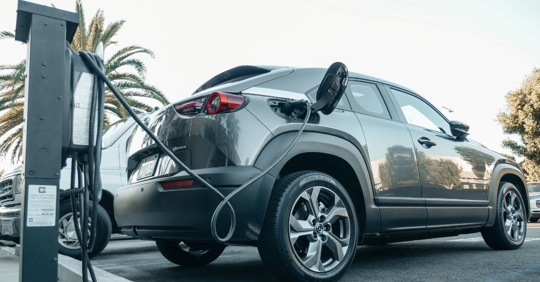
Cost Analysis of EV Charger Installation
The financial commitment associated with EV charger installation begins with assessing the initial costs. This expenditure includes not only the purchase of the charging equipment but also the accompanying installation fees. Moreover, it's essential to consider any necessary retrofitting of your current electrical infrastructure to accommodate this new technology. The cost can vary significantly depending on the type of charger selected—ranging from basic Level 1 chargers to more sophisticated DC Fast Charging units. Moreover, these expenses are affected by the complexity of the installation site and any additional requirements needed to meet zoning and safety regulations.
Despite the upfront investment, it's crucial for business owners to meticulously plan and budget these expenses. The long-term benefits often outweigh these initial costs, especially with expert installation services available from providers like Michael's Lighting & Electric. Working with a professional ensures that the installation is compliant with local codes and seamlessly integrates into the existing electrical setup, minimizing any potential disruptions and unexpected costs down the line.
Return on Investment (ROI) Considerations
When considering the financial implications of EV charger installation, it is important to weigh the potential for return on investment (ROI). The ROI is not merely financial; it extends to customer traffic and retention, all of which can significantly contribute to the bottom line. By providing EV charging facilities, businesses can attract a growing demographic of eco-conscious consumers, thereby increasing both foot traffic and brand loyalty. Furthermore, some establishments may choose to implement charging fees, creating a potential revenue stream that was not previously available.
Additionally, installing EV chargers can elevate a business's brand reputation as a forward-thinking, sustainable entity. This improved perception can lead to increased customer loyalty and brand advocacy, often translating to higher sales and repeat business.
Long-Term Financial Benefits and Incentives
There's a wealth of long-term financial benefits awaiting businesses that opt for EV charger installations. Many local and federal government programs offer significant incentives, such as tax credits and rebates, which can help mitigate the initial costs. In the United States, various subsidies are designed to encourage the integration of sustainable practices within businesses. Businesses can take advantage of these offers to lessen the financial burden and enhance the feasibility of the project.
Furthermore, the introduction of EV chargers could allow businesses to benefit from ongoing savings related to operational efficiencies and maintenance costs, especially when utilizing energy management software solutions. It's worth consulting with service providers like Michael’s Lighting & Electric to explore all the available financial incentives, ensuring businesses are strategically leveraging these opportunities to maximize financial gains over time.
Enhancing Customer Experience
Integrating EV chargers on your business premises opens doors to significantly enhancing the overall customer experience. Providing charging facilities offers convenience to electric vehicle owners who are consistently in search of accessible locations to recharge their vehicles. This added service can transform an ordinary visit into a value-added experience, setting your business apart from competitors who may not offer such facilities. It’s a thoughtful touch that can create a positive, memorable impression, encouraging customers to return for both your core offerings and the conveniently available charging options.
Customer satisfaction extends beyond access to premium services; it encompasses loyalty and advocacy. As environmentally conscious practices gain traction, customers increasingly lean towards businesses that embrace sustainability. By providing EV charging options, businesses demonstrate commitment to sustainability and customer-centric service, fostering stronger relationships with customers who prioritize eco-friendly initiatives.
Attracting a New Customer Demographic
The demographic of EV owners is rapidly expanding, presenting an exciting opportunity for businesses looking to differentiate themselves from competitors. By offering EV charging stations, your business captures the attention of this environmentally conscious and generally tech-savvy demographic. EV owners are constantly on the lookout for businesses that align with their values, and by catering to their specific needs, you effectively position your establishment as a forward-thinking and attractive option.
This new segment of customers not only increases foot traffic but also potentially opens avenues for partnerships with EV manufacturers or local sustainability initiatives. Local businesses can lead the charge, quite literally, in this evolving market by becoming an integral part of the EV ecosystem, which in turn supports sustained business growth and market expansion.
Increased Dwell Time and Ancillary Sales
Having EV charging stations on your premises can have a direct impact on the duration customers spend at your location. The time it takes to charge an EV can result in longer dwell times, providing a golden opportunity for businesses to increase sales through beyond-primary purchases. Whether customers are enjoying a meal, shopping, or using other services while they wait, the potential for incremental sales during this period cannot be underestimated.
Of course, a strategic setup is key—ensuring that facilities like dining areas or retail products are within reach while customers wait for their vehicles to charge. For local businesses, this increased dwell time translates into an upsell opportunity that can significantly enhance sales per customer visit, leveraging the charging experience into a multifaceted benefit for both the customer and the business.
Promoting Sustainability Practices
As the call for sustainable practices grows louder, businesses have the opportunity to lead by example with EV charger installations. Chargers symbolize a tangible commitment to reducing carbon footprints and can greatly contribute to the sustainability initiatives of businesses. Enhancing these practices not only meets governmental regulations and industry standards but also satisfies growing consumer demand for eco-friendly business models.
Integrating EV charging facilities demonstrates a proactive approach toward sustainability and aids businesses in meeting their environmental commitments. In addition to reducing emissions, the presence of EV chargers can inspire employees and customers alike, aligning your business with a progressive, environmentally responsible identity.
Corporate Social Responsibility (CSR) and Brand Image
A crucial component of Corporate Social Responsibility (CSR) and brand strategy involves reinforced environmental commitment; EV chargers provide a practical pathway toward this goal. By embedding electric vehicle infrastructure into operations, businesses can align with broader sustainability goals currently shaping consumer buying patterns. With an increasing number of consumers actively seeking out responsible companies, taking substantial steps in this direction can significantly elevate brand perception.
Doing so not only fosters community goodwill but can also amplify company reach among increasingly conscious consumers. Providing this value-driven service positions a business positively in the minds of potential customers while responding to CSR objectives and achieving broader community-focused achievements.
Types of EV Chargers and Their Applications
Understanding the different types of EV chargers is critical when considering installation. These chargers are categorized into Level 1, Level 2, and DC Fast Chargers, each catering to specific speed and business needs. Level 1 chargers, known for their simplicity and use of standard electric outlets, are suited for residential or extended-stay settings. Meanwhile, Level 2 chargers offer faster recharging times, suitable for businesses like shopping centers or dining establishments with frequent turnovers. DC Fast Chargers are the fastest available, ideal for highly trafficked locations where quick recharge times are a priority.
Each type has its application, and making the right choice is dependent on the business model and customer expectations. Ensuring a thorough understanding of these options beforehand will allow businesses to make informed decisions, aligning investments with strategic goals and customer demands.
Infrastructure and Site Requirements
Instating EV charging signals more than just additional outlets; it demands significant consideration of behind-the-scenes infrastructure as well. Businesses must evaluate their current electrical capacity to determine whether upgrades are necessary to support new loads. Adequate spacing and strategic placement ensure user convenience, safety, and optimal resource allocation.
Zoning restrictions, permit necessities, and additional site modifications may also need addressing, depending on your location and facility setup. It’s highly recommended to collaborate with a professional, such as Michael's Lighting & Electric, to navigate these technical requirements smoothly, ensuring compliance and reliability throughout the installation process.
Maintenance and Operational Challenges
Like all technological solutions, EV chargers require ongoing maintenance to remain effective and efficient. Maintenance extends beyond mere physical upkeep; software updates may be needed to combat obsolescence and maintain compatibility with future vehicle technologies. Addressing customer inquiries and troubleshooting typical issues will likely necessitate training or support services, emphasizing the importance of a well-prepared operational team.
Understanding these requirements can ensure smooth functionality, enhancing user experience and reliability.
Staying Ahead of Industry Trends
In the rapidly evolving landscape of electric vehicles, getting ahead of industry trends ensures that your business remains competitive and profitable. Early adoption of EV chargers positions your business as an industry innovator, distinguishing it from others slow to transition. This not only attracts environmentally conscious consumers but also aligns your business with the future of transportation trends.
Furthermore, this strategic move can offer businesses an opportunity to collate insights and swiftly adapt their marketing strategies to an evolving consumer base. Showing adaptability, especially in a progressive market, enhances business reputation and readiness, ultimately providing robust future-proofing as the automotive industry transitions further into electrification.
Integration with Smart Technology
Smart technology presents powerful integration possibilities with EV charging infrastructure. Offering seamless payment options, smartphone access, and membership or loyalty program linkages can further enhance customer experience and promote return visits. These interconnected systems not only streamline processes but can also provide businesses with valuable data insights regarding consumer usage patterns and preferences.
Incorporating such technologies also allows personalization and optimization of services, translating to heightened customer satisfaction and boosting operational efficiency. By embracing these advancements, businesses can leverage enhanced technology for increased engagement, operational cost reduction, and ultimately, securing a competitive advantage in a tech-driven market.
Possibilities for Business Expansion
Introducing EV chargers can foster exciting avenues for business expansion, unlocking potential in new markets and business models. Opportunities may arise from partnerships with automotive manufacturers or ride-sharing apps, initiating collaborations that enhance service outreach and customer reach beyond immediate locality. Moreover, strategies incorporating utility collaborations can lower operating costs while promoting renewable energy solutions.
Other expansion models include offering membership programs or monetizing premium charging experiences, contributing additional revenue streams beyond traditional business operations. Integrating these strategies will likely foster community engagement and recognition, building long-term customer loyalty and establishing robust foundations for diversified business growth.
Take the Next Step with Michael's Lighting & Electric
In today's rapidly evolving commercial environment, embracing technological advancements and sustainability practices is key to staying relevant and competitive. If you’re a business owner looking at decreasing your carbon footprint and staying in line with future trends, Michael's Lighting & Electric is here to guide you. We can assist you with the strategic installation of EV chargers, benefitting your customers and bolstering your profits. Contact us today to discuss how we can help future-proof your business in the ever-growing electric vehicle landscape.
Call Michael's Lighting & Electric now at (888) 616-3356 or reach out to us online.